CHOOSING A FAMILY PET

websitebuilder • 7 March 2017

Share this article

A pet can bring tremendous joy to a family. Whether its being entertained by their charming antics or the calming effects of stroking their bodies, they de-stress our lives. While pet ownership is a responsibility, a family pet should not be a burden. Careful consideration needs to be given to the pet’s expected longevity, demands for daily care and attention, and expectations of interactions with small children and other pets in the household.

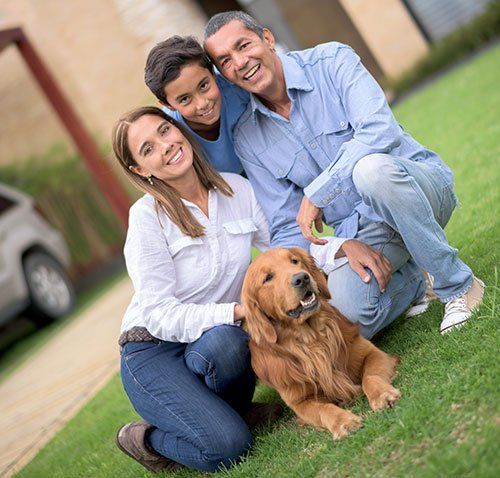
A family of three smiling with a golden retriever on a grassy lawn in front of a house.

Dogs and parrots tend to demand the most attention and do best when regular attention is provided. They also require at least some basic training. For dogs, coming when called and walking on a leash (owner walking dog and not dog walking owner) provides for a more enjoyable relationship. Additional training is at each person’s discretion. Since my dogs have always been unruly, my “free spirit” approach is not appreciated by some. Be prepared for scornful glares if yours is not “well behaved.” Parrots need to be trained to stand on the hand and step up onto the hand when outside of their enclosure to best engage with their owners. Most parrots will occasionally bite and owners will need to be tolerant of this. Choose one with a small beak if this is a concern.

Cats in general do fine without a daily routine and get by if a couple of days pass without attention. With that said, cat personalities and preferences for human interaction vary considerably. While some cats like to be held or sit on laps most do not. Some prefer to be appreciated from a distance. Most do what they feel like irrespective of what you want. While an occasional cat will “act like a dog” if cuddly and responding with attention on your terms is desired than a cat may not be a fit for you.

Children will always chase the kitty, tease the dog and want to pick up and hug their pets. While the kitty can run and hide, a dog needs to be tolerant of a child’s handling. Most Golden Retrievers and Labrador Retrievers respond with their tail wagging to any attention even if their skin is being grabbed or twisted. On the other hand, a herding breed or terrier or most small breeds will not tolerate this. Choosing the appropriate breed for the household is critical. Some dogs do best in a household with older children and adults where human behaviors are better controlled.

If a dog or cat is not possible, a rat makes a great pet. They are intelligent and engaging. You want to get a young rat so that it develops a desire to be handled. Rats handled from a young age are generally more tolerant of being carried about by children than rabbits and guinea pigs.

Reptiles vary greatly in terms of pet qualities and generally require a big commitment of time and effort to provide appropriate care and habitat. Some are highly intelligent. Bearded Dragons and Tortoises can develop strong bonds and attachment to their owners.

Once you have decided on a pet, it is a good idea to take it to the veterinarian for an examination before getting attached. Having a thorough examination and review of care, diet and behavior can prepare you for your new responsibility and avoid surprises and frustration. Remember that as pets age, they often need more care and attention to their health needs. You’ll be rewarded though to find that the silly puppy or kitten aged to develop a character all of their own that you’ll remember as a once in a lifetime.

Recent Posts

8 June 2026
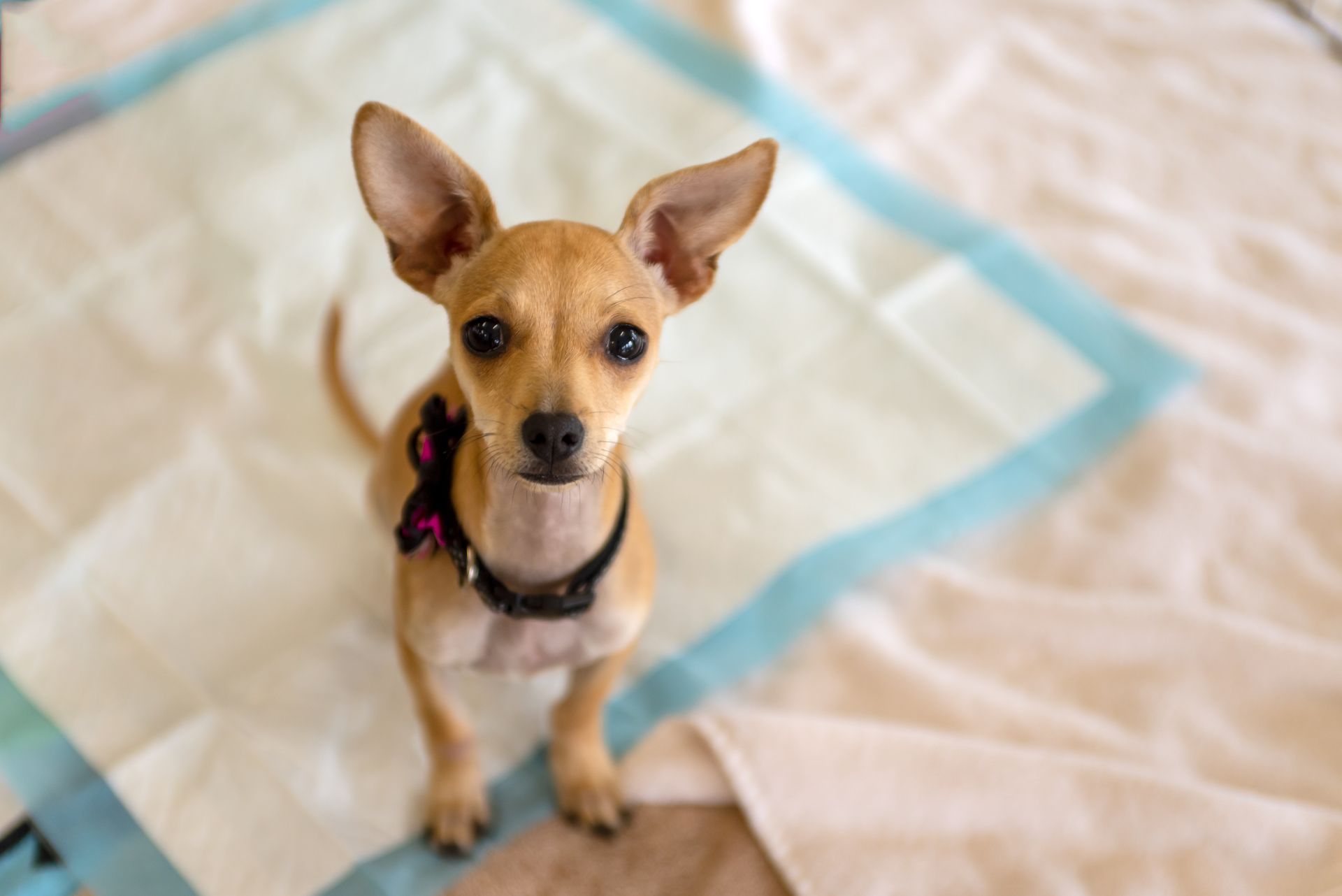
It is normal for puppies not to want to soil their nesting area and the goal is to have them understand that the entire house is their nesting area. This is best accomplished by initially limiting their space to a dog crate when not being actively supervised. The crate should have just enough room to stand up and turn around in. If you purchased a crate larger than that, then a cardboard box can be added to shrink down to a desired space. Once housetraining is coming along then the space can be expanded. Start with the kitchen and the family room. If that is going well then gradually add on other rooms of the house. Puppies generally need to eliminate after eating, when released from confinement, after any play and after waking up, even from a short nap. So be sure to take your puppy outside right after, preferably to an area of grass or at least loose leaf/plant litter. You can use cue word(s), e.g. “do your business”, “hurry up”, or “potty”, when your puppy eliminates outdoors. Besides telling them they’re good, give a favorite food treat with more praise. You’ll always get further with positive reinforcement than any negative discipline. Signs your puppy may need to eliminate include circling, sneaking off and heading to the door. Immediately, take your puppy to its elimination site, give your verbal cue and as soon as elimination is complete, lavishly praise and give a food treat. If you catch your puppy starting to eliminate in the house then picking them up and saying “no” in a low voice while carrying them outside to eliminate is fine but otherwise negative reinforcement is not helpful and may result in you puppy being fearful of your approach. Also, punishment increases the likelihood that your dog will not eliminate in front of you but unlikely to stop them from eliminating in the house when you’re not looking. Bottom line is you want to reward your puppy for doing the correct thing. They will then want to wait to eliminate outdoors in anticipation of the food treat. Walks outside before any confinement or bedtime will encourage elimination and make it easier to wait until the next opportunity. If your puppy has an accident in the house, you should put them somewhere else where they cannot see you clean up their mess. Otherwise, they view this as getting attention and therefore, rewarded for eliminating in the wrong location. It is important to remove any remaining odor as that will encourage them to continue to eliminate in that location. A product that combines an enzyme and detergent is best. If possible, it is best to prevent access to that location by placing furniture such as an ottoman over that spot. Generally, if the puppy did not have any accidents in the house for several weeks, you can gradually expand your puppy’s access to the rest of the house without supervision. If your puppy is having problems making it through the night, then taking the water bowl away 2 hours prior to bedtime and again, long walks outdoors prior to bedtime can help. Usually by 4 months of age, puppies can make it through the night. Be aware that being housetrained to your house doesn’t necessarily mean your puppy is housetrained to another house. It is best to go straight to train to eliminate outdoors rather than paper training or training to use house training pads. Otherwise, your puppy may not quickly understand that elimination is to be done outdoors and not indoors. An exception would be those living in a high rise or when it is not practical to take the puppy out frequently enough. The puppy can be confined to a small area covered in paper except for the sleeping area and once the puppy chooses a location then gradually shrink down the paper coverage to just that location. Finally, you will always get further and faster when training with positive reinforcement than negative discipline. Your puppy will quickly learn to wait until going outside to do their “business” since there is going to be favorable attention and a food reward.
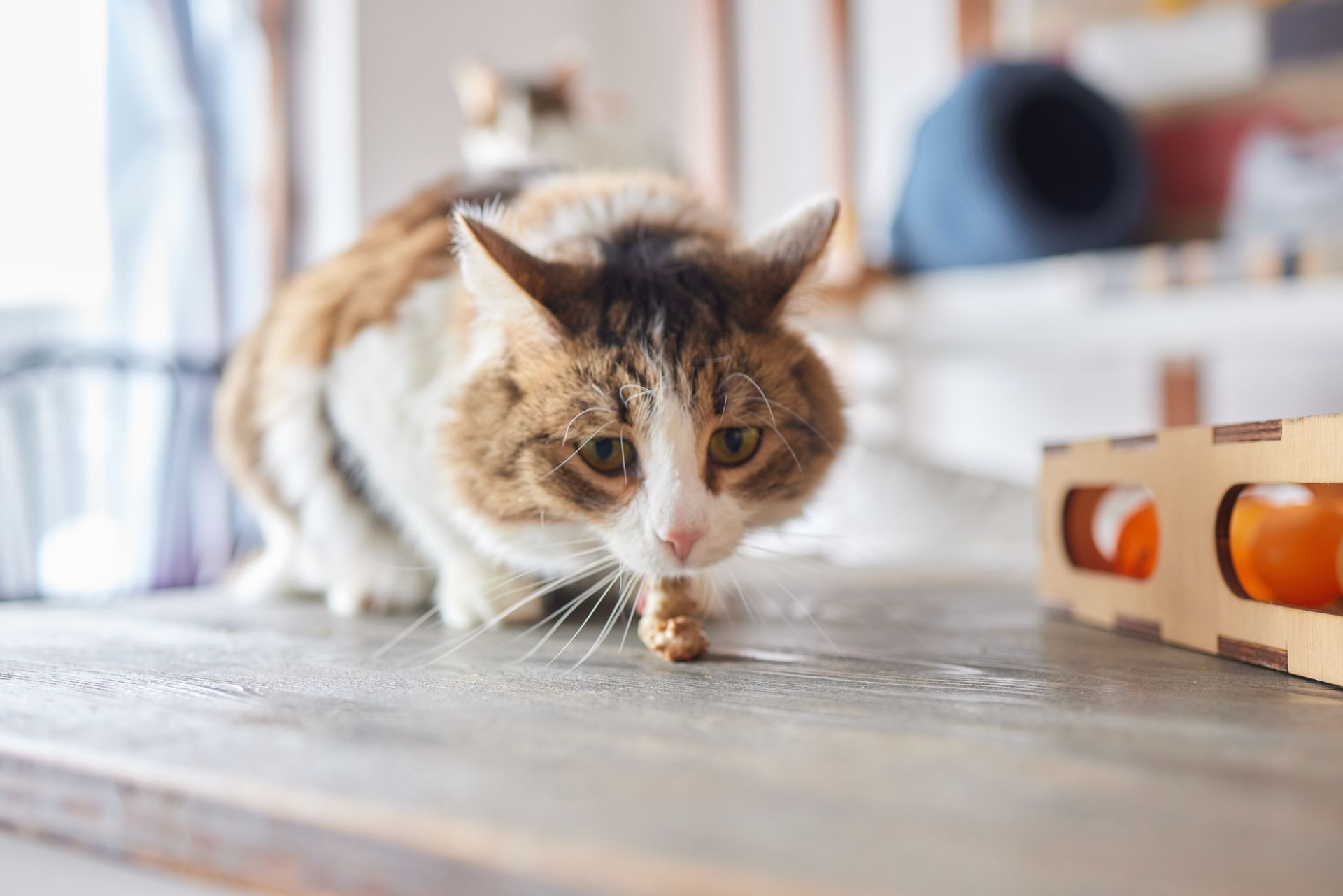
Calico cat crouching low and sniffing a wooden floor indoors
5 May 2026
Kenton Taylor, DVM
Dog wearing a green St. Patrick’s Day hat on a green background
29 October 2025
Kenton Taylor, D.V.M.
Pug on a yellow leash sitting against a white brick wall, looking back over its shoulder.
15 October 2025
Kenton Taylor, D.V.M.
Veterinarian examining a small white-and-brown dog on a table with a stethoscope and gloved hands
22 August 2025
Kenton Taylor, D.V.M.
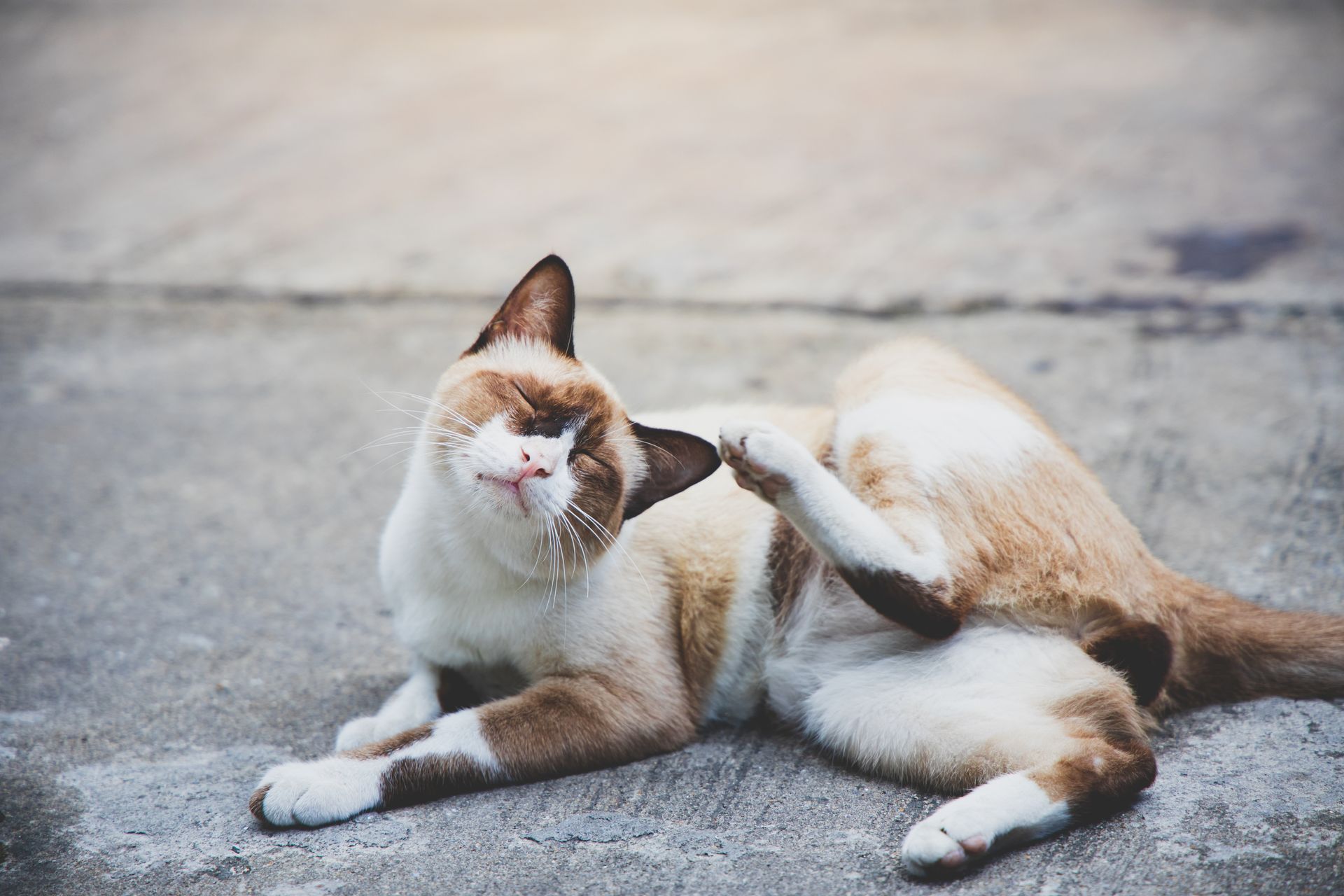
White and brown cat lying on a concrete surface, playfully scratching its ear.
23 July 2025
Kenton Taylor, DVM
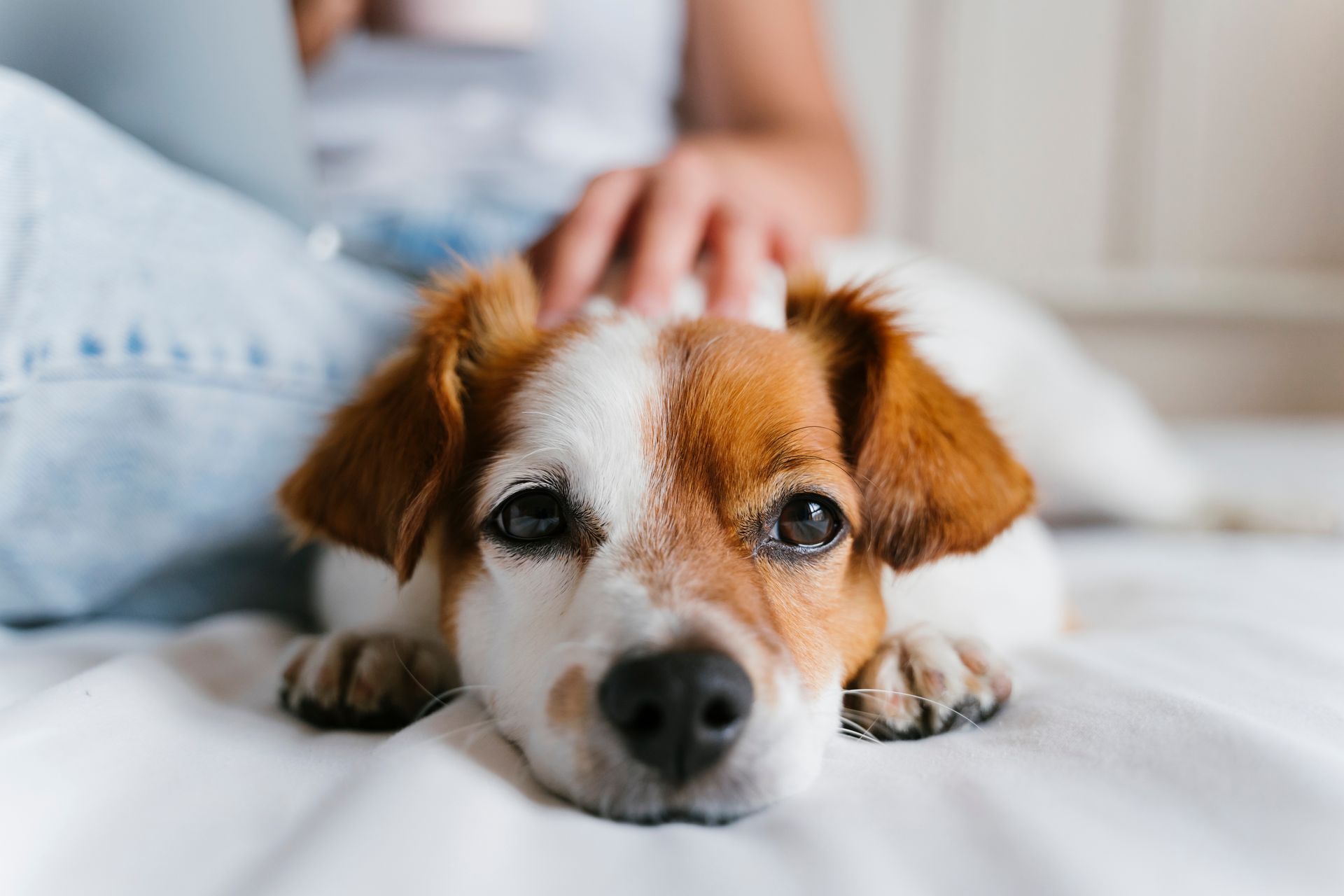
Small brown-and-white dog lying on a bed while a hand gently pets its head
10 March 2025
Kenton Taylor, D.V.M.
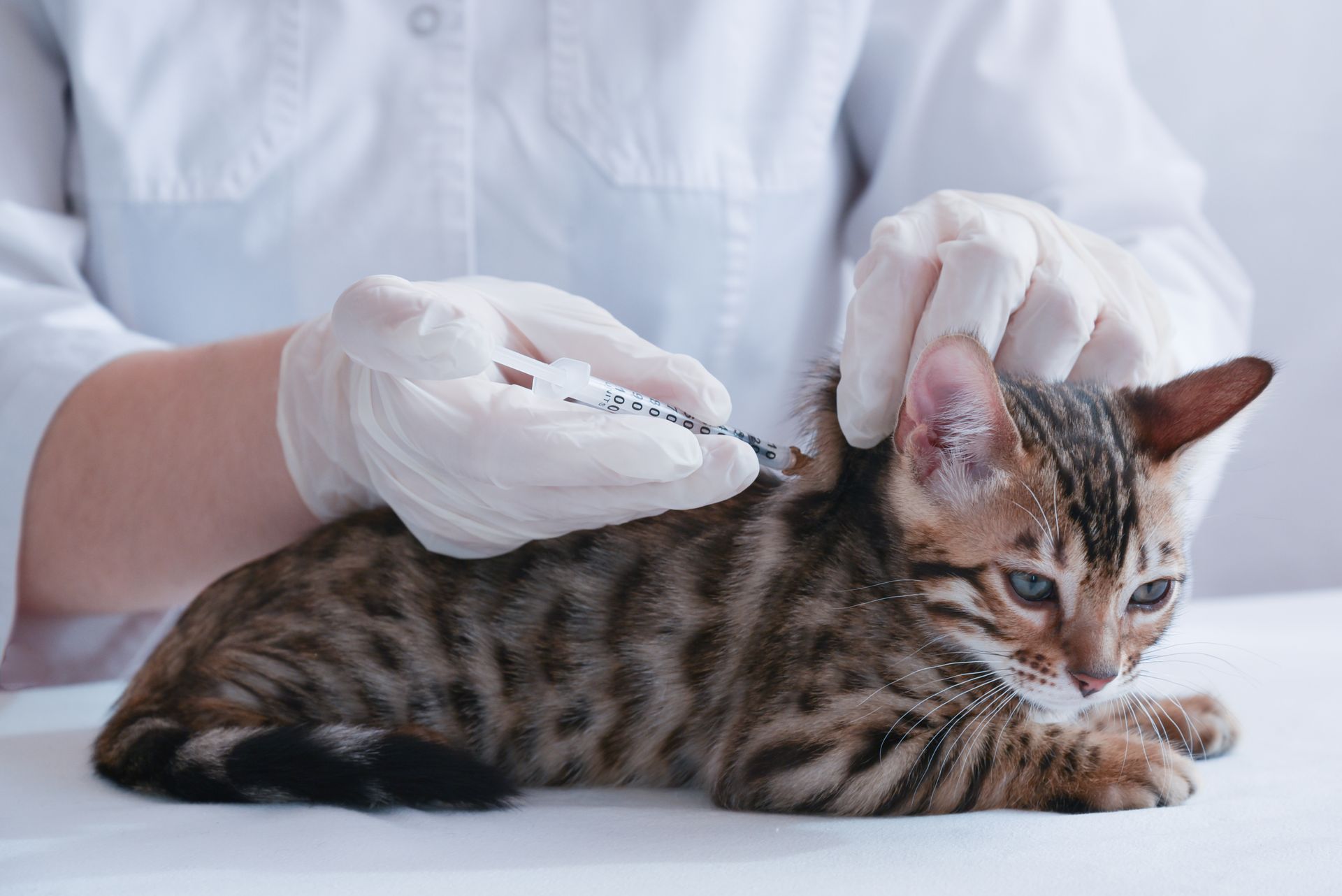
Vet in white gloves giving a kitten an injection
25 February 2025
Kenton Taylor, D.V.M.
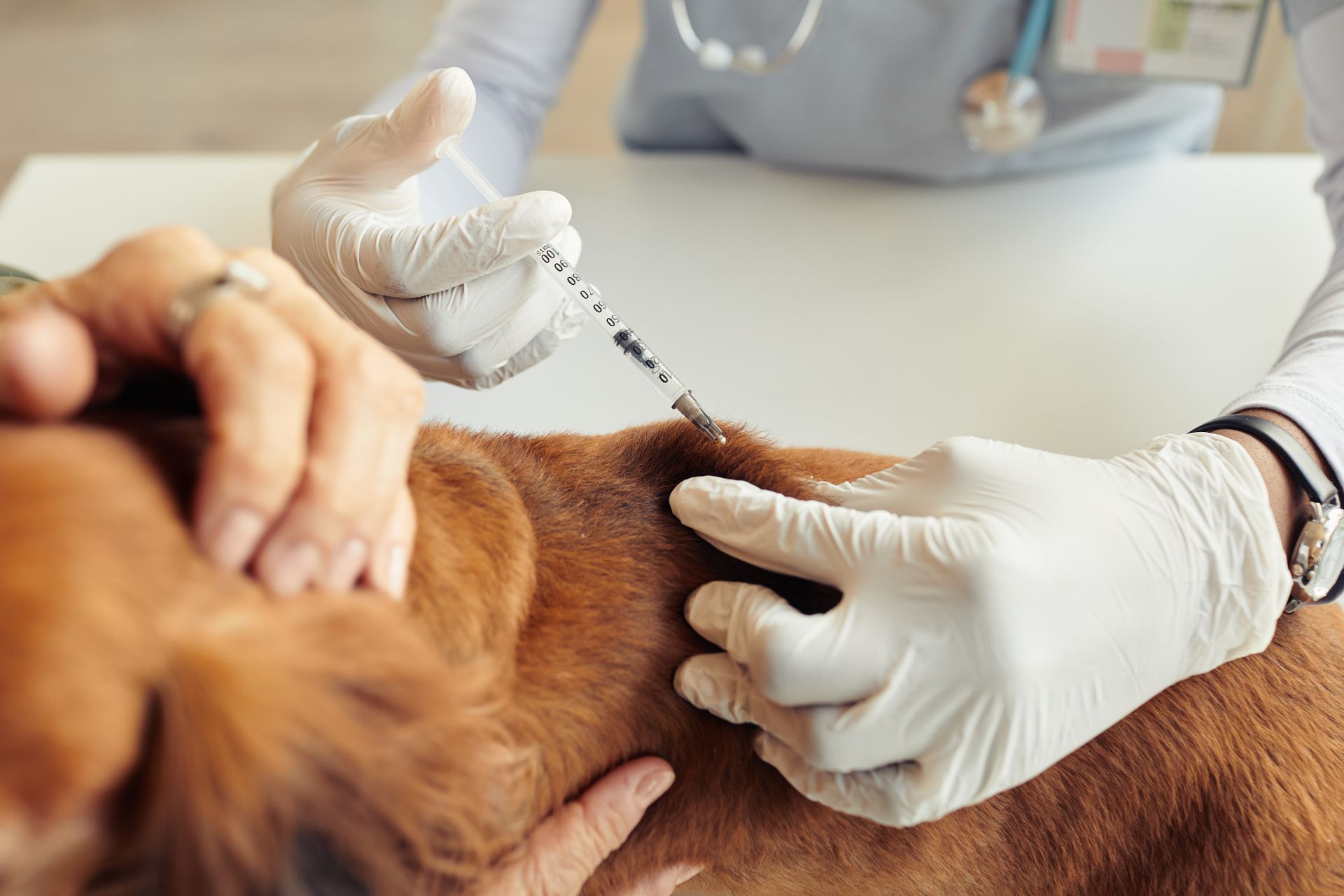
Veterinarian injecting a brown dog during a veterinary exam
13 February 2025
Kenton Taylor, D.V.M.
Show More